Biotech marketers need to sell smarter by leading with the buyer’s problem, not their product.
Shownotes
Most biotech marketers love talking about their product — but that’s often the worst way to sell it. In this episode of A Splice of Life Science Marketing, host Matt Wilkinson sits down with Bruce Scheer, author of Inspire Your Buyers, to unpack why the best sales stories start with the buyer, not the tech. If you’ve ever wondered why buyers tune out your pitch halfway through your deck, or how to make your message resonate in high-consideration B2B deals, this conversation is for you. Bruce shares his “Value Narrative Framework” — a simple but powerful approach to flipping the script: stop leading with your product, start with your buyer’s problem. Who this is for: Biotech startup marketers, life science sales teams, and anyone tasked with making complex science sell in the real world. What you’ll learn: Why “leading with product” kills engagement in complex B2B sales How to make your buyer the hero of your story The “Problem–Outcome–Solution” (POS) framework for structuring value narratives How to spotlight emotional triggers like “feeling trapped” to motivate change Ways to translate technical value into emotional and operational impact How to sell transformation, not technology
Chapters:
[00:00] Opening: Clubs, cycling, and connecting across the pond
[02:23] Introducing Bruce Scheer and the story behind Inspire Your Buyers
[03:40] Why leading with product is a sales killer
[07:47] The fishing boat story — how Bruce’s brother sold him with emotion
[16:06] The POS framework: Problem, Outcome, Solution
[20:12] Why emotion rules B2B buying decisions Keywords: life science marketing, biotech sales, storytelling, B2B marketing, value narrative, buyer psychology, biotech startups, sales enablement, emotional selling, Inspire Your Buyers,
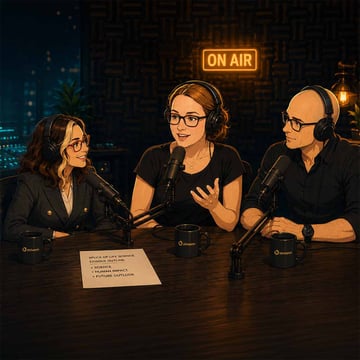
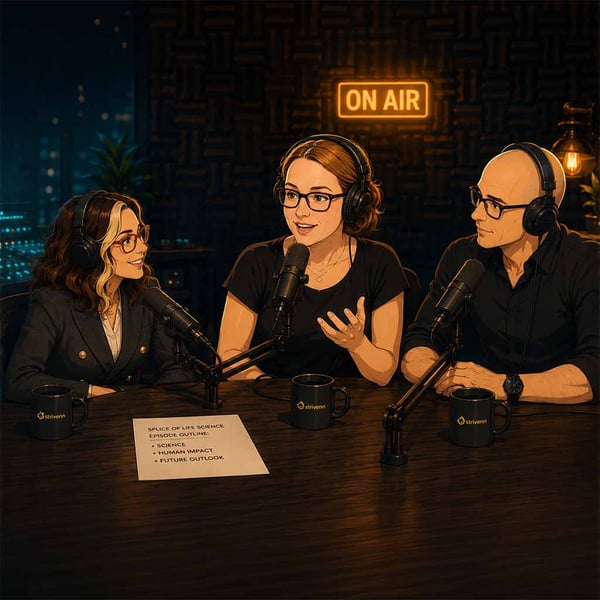
In this shortened excerpt, host Matt Wilkinson and guest Bruce Scheer break down why biotech marketers should stop leading with product and instead use a buyer-led value narrative built on the Problem–Outcome–Solution (POS) model. Jasmine Gruia-Gray joins to explore how emotion credibly drives B2B decisions—even in scientific categories.
Welcome & Who Bruce Helps
Matt Wilkinson [2:23]
Hello and welcome to today's episode of a splice of Life Science marketing. Jasmine and I are joined today by Bruce Scheer, the man the myth, the legend, and the author of the book, inspire your buyers. Bruce has helped everyone from Microsoft to Tableau crack the code on telling stories, stories that actually kick things off in in our sale, in our in our buyers minds, Bruce, when you're you know, so when you're speaking with your friends or family, what do you what do you actually tell them you do for a living? How do you explain it?
Speaker 1 [3:01]
Boy, if my friends and family have any business intellect, I might say, Hey, I help revenue teams get their story straight and go to market that way. And if they're not in a business world, I'll just say, Hey, I work with leaders to help them get their story straight. And very often it's not straight, and there's a lot of work to do in this world.
Value Narrative Framework & The Product-First Problem
Matt Wilkinson [3:26]
Now, for those that haven't read, inspire buyers, and I strongly recommend, really, everybody should. What's the core idea behind your value, narrative framework. And would you mind explaining?
Speaker 1 [3:40]
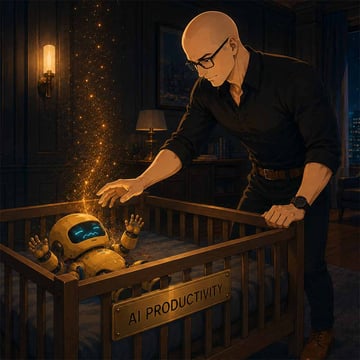
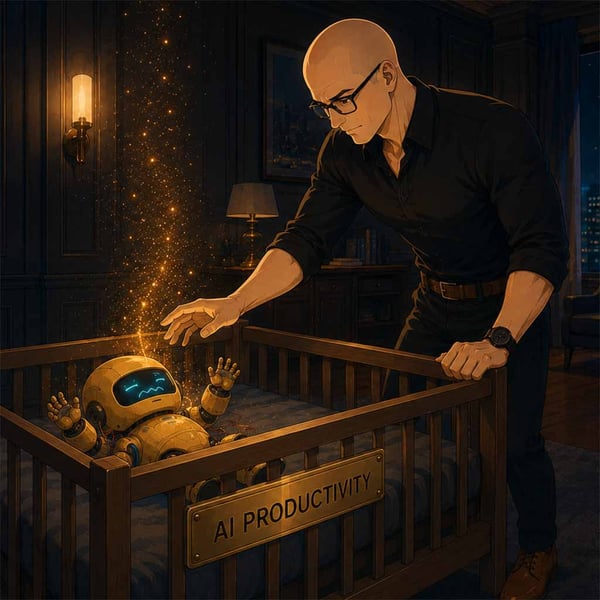
Oh, sure, one of the big problems I see in the world is people leading with product. And Matt, probably about a month and a half ago, a CEO got on the phone with me and started to introduce himself, and within, oh, probably one minute, he started sharing his screen and showing me his technology platform. And then, you know, couple more minutes went by, I think he could tell I wasn't too enamored and engaged with this technology platform. So we stopped sharing, thank goodness. And then he asked, Hey, Bruce, what do you do? And my response was, I work with sales people to teach them to do exactly not what you just did with me. And and he's like, what? And I'm like, going in, and I call that leading with product first, you know, you know, very quickly we weren't even through introductions, and you made it all about you and all about your technology. And he goes, Yeah, oh, wow, yeah, I'm guilty. And so I but I see this happen day in and day out, where the the product's the hero. And have you guys both seen Lion King? Do you remember where the monkey holds up the baby and everybody bows and, you know, hey, you know, the new King is here. People think of their product that way, and they like to showcase it and lead with that. And I call that, you know, the product's the hero. And I even see this. This is Jensen Huang. I saw him on stage in January at CES and he held up his product, just like we held up the Lion King. I go check out this new baby. It's awesome. And everybody bowed. But that's just so normal, especially in the sciences, where you're so excited and passionate about your work, you want to come in and just, you know, let that lead the day. You know that's your hero. And I argue that that works well when it's like a low consideration solution. You know your audience kind of understands that, and can might want to geek out with you on your stock. But if you're selling something that, what I call is high consideration, so it might not be fully known by your buyers, there's typically many stakeholders in the B to B world that I live in. You know, six to 12 right now that might be part of a buying committee considering making a purchase or acquisition, and it's a big investment and tons of risk. When you lead with product first, in this type of context, normally, it spirals down. Your selling conversation goes nowhere. Your buyer's still learning. And so my argument is, you know, don't lead with product at this point. You know, take a value based approach to to that buyer, and that's where, you know, they become the hero, and you can guide them along their hero's journey and showing them how your solution might help them, but that comes later, not up front. And most sellers don't do this. You know, again, they show up product first, and it's probably no surprise then, in the B to B world that I live in where, you know, 75% of buyers prefer to have a sales free experience. You know, they're not into it, you know. You know they you know, they know what's going to happen. You know, the seller is just going to show up, talk about themselves and their product and apply pressure. And they're not really into it. They're still trying to assimilate in their own brain. Hey, is this even relevant? Do we move forward, you know, with this, or is there a case for change? You know, they're asking bigger questions than product specific stuff, so that that kind of gave rise to me writing the book. And so the book's called Inspire buyers go to market with the story that sizzles done really well. I think I'm up to 124 reviews. I'm still waiting for yours, Matt, but I'm sure it'll be in at any moment
Matt Wilkinson [7:47]
in the UK. So it's up there. Okay, different
Speaker 1 [7:53]
geography. All right, all right, I'm guilty as charged, okay, but yeah, thank you so much. These reviews. It's so funny. I think 1% of your reading audience has the gumption to leave a review, so you are unusual, and I really appreciate it. But it's sold 1000s of copies, and I've just been delighted. Some of the relationships I've struck because of that have just kind of blown me away. I had a guy sitting on you saying, 14 boards down in Silicon Valley knew the founders of Intel, you know, an elderly man just got in touch with me one day, just, you just wanted to meet the author, you know, and I might just go, that's so cool. So it's been really well received. But any questions before we dig into some of the principles there, Matt, or for Jasmine?
Setting Up the Boat Story
Matt Wilkinson [8:42]
No, I'm just really excited to know a little bit more about that framework, because I'd listen to it on the audible book, and I know that the visuals, okay, with the framework are just so powerful.
Speaker 1 [8:53]
Well, I think Matt, should we talk about how my brother sold me an old fishing boat, because I think that just nails the framework so well. You guys like that idea
Matt Wilkinson [9:06]
questions that I had lined up to ask you, so please do you're just reading the script, and I never showed it to you.
The Fishing Boat Story: Planting the Problem
Speaker 1 [9:14]
All right. All right. This is one of my favorites, because it just hits so close to home. But during the pandemic, this is about June of the pandemic, my brother gives me a call on a Saturday morning. He's like, going, Hey Bruce, I'm gonna go, Hey Steve, Hey, you don't call me all that often. What's going on? He's like, going, Well, I was talking to dad, and he's decided he wants to sell his old fishing boat. And I'm like, going, Okay, I guess you know, you know, what does that have to do with me? And he's like, going, well, he's decided he wants to sell it on Craigslist. And then I'm like, going, Okay, now I know what this has to do with me, you know. And I go to my brother, Steve, you know, my dad's 92 years old. He can barely turn on his laptop, let alone sell something on Craigslist. And I'm like, going, okay, Steve looks like, you know, I'm selling dad's boat on Craigslist. And Steve goes, I was hoping you'd say that. And then he goes, but I was thinking, you might want to buy it. I'm going, I might want to buy it. What in the hell that old fishing boat I go, is it electric? You know, like my Tesla in the garage. Does it have a 49 inch monitor, like the monitor on my desk. Is there anything cool about this thing? And he goes, No, no, just an old fishing boat that's in really good condition. And I'm like, going, Well, Steve, I literally, I don't get it. Why would I want to buy dad's old fishing boat? He goes, Well, how long have you been living on that island? And I live on an island across from Seattle, pretty big island. It's called Vashon Island. I've been living out there 16 years. And I go, Well, Steve, 16 years? He goes, Wow, 16 years living on an island without a boat. Man, if I was you, I'd just feel trapped. I'm not going trapped. What do you mean trapped? You know? He goes, Yeah, I know you got that ferry system on the island that you guys can get on with the car, etc. But he goes, what happens if that earthquake hits that we're all expecting between 50 to 500 years from now? What if that hits? Gosh, if it was me living on an island with my family, I'd want to have a boat. I'm like, going, well, huh? And he goes, Yeah. Or, what about that volcano in your backyard? It's called Mount Rainier. It's about 14,000 feet tall. He goes, what if that thing decides to blow again? You know, there has been some activity. And he goes, gosh, if it was me living on an island with my family without a boat. I just feel trapped. I'm like going, Well, hey, Steve, I'm not feeling trapped. I'll call you back tomorrow because I got to get into breakfast with my family here. But I'll call you back tomorrow and get more details about the boat, and I'll get to selling dad to vote on Craigslist, and he goes, Oh, thank you, Bruce, okay, talk to you tomorrow. Click, click. So I'm glad that call came at during the day on Saturday, because that night, I didn't really sleep all that well. I tossed and turned and I dreamt about zombies chasing me, you know, because it was during the pandemic. I thought about, you know, the earthquake, I thought about myself being down below my house trying to stitch together a makeshift raft with my kids old swimming noodles. And then I, you know, couldn't wait to get out of bed in the morning, so I got out early, and I knew my brother woke up early, and I called him up, and I go, Hey, Steve, guess what he's like, Hey, what I'm feeling trapped. Was there any other good reason for me to buy dad's boat? He's like going, well, you know where you live, about every other mile around the Puget Sound, there's a marina, and your wife, Cindy, loves eating out. So you could take her out on that boat. Call the kitchens. These marinas, their kitchens are still active. You could call in an order, a takeout order, go into that Marina, pick it up and just delight your wife. And I'm like, just going, oh my gosh, would dad's boat actually get me to those marinas. He's like, going, Yeah, it's got 14 inches of draft, as long as you kind of take it slow. If the wind kicks up and the waves kick up, you pretty much go anywhere. I'm like, going, Wow, that sounds awesome. Fun and happy wife. That's what was just running through my head. And I'm like, going, how could you lose with that so. And how much does dad want for it? And goes, Oh, not, not very much. And, hey, Bruce, here's the kicker. I just tuned it up so it's ready to go. It's awesome. I mean, going, oh, cool, Steve. So anyways, talked to wife, got her on board that weekend. I drove 400 miles and had a really brutal negotiation with my dad. He offered to tell it to me for $2,000 I countered with 3000 and we met in the middle at 2500 so it was pretty rough negotiation. But anyways, I drove that thing all the way back home, and I've been boating ever since and during the pandemic, oh man, we just used the heck out of that, me and my kids, and we just had the time of our life running around 35 degrees out didn't matter. We're out on the boat goofing off. And so anyways, that's how my brother sold me an old fishing boat.
From Story to Framework: POS & Next Steps
Jasmine Gruia-Gray [14:45]
Your approach on you.
Speaker 1 [14:50]
He had, I hadn't written the book yet, and here's an old doctor who hadn't ever carried an enterprise sales bag in his life, doing a perfect play. And you know, I mapped that back against my framework, but you know, to make this make sense, what he did is he targeted the right buyer. You know, he when he called me up, my brother's super smart, incredibly clever. Some might argue might be more clever than me, but I would argue against that. But anyways, he is brilliant, but you know, he's not dumb either. He's not going to waste his time. That was a targeted call. He expected to sell me that boat, and he knew that I had a place to store it. I had money to buy it. I didn't have a boat, you know. And you know, so he he had done all his homework, of course, knowing me pretty well, and you know, I think he had it fixed in his mind that I was buying that thing next. What he did is he spotlighted my big problem, and he did that with one word, if you can remember. Do you guys remember the word he planted in my brain?
Matt Wilkinson [16:02]
It was trapped, trapped.
Speaker 1 [16:06]
And once I heard that, I could not unhear it, and I even lost sleep over it. So he spotlighted my big problem. The reason I talk about spotlighting is because when you when you shine a spotlight on something that becomes very bright and lit up, everything else is in the dark, everything you just look at that. And he just landed. He planted that problem for me trapped, and then just put this huge spotlight beam on it. And then we didn't really move off that. And I even ended the call on that. I'm not trapped, but I'll call you back. But we talked about being trapped, and he didn't move forward, you know, there's no reason to But the next morning, after losing sleep, you know, I, you know, asked him, hey, you know, I do feel trapped. Now, why else should I buy this thing? You know? What's the desired outcome of all this? And then he helped me frame up in my brain, fun for me, adventure and fun, that's one of my top values I just learned. And happy wife, I appreciate that too. Having good relationships in my life is also a big value of mine, and happy wife is part of that. So anyways, double win. And I'm like, just going, This is awesome. And once he had me on those two. Of course, he created a lot of tension between those two, my big problem, and that desired outcome of fun and happy wife. Then, you know, and he's he emphasized the contrast between those two, and setting up those two poles for me. And then that made it really easy. Then he then, then, and only then did we talk about dad's boat? But, you know, did we talk about how many horsepower it had or, you know, was it two stroke or four stroke or anything else? No, we talked about it being a path away for me to not be trapped and for me to have a for me to have fun and a happy wife, and that was about it, you know, he said, Oh, it's got 14 inches of draft. When he said that, sadly, I didn't even know what that meant. Nor did I really care, you know, all I cared about was, Hey, is it going to get me to these awesome places that you're promising? He goes, Yeah, take it slow. Then, you know, after he had me there, then he talked about some next steps with me, because I did ask him, hey, you know, how do I get this thing? And he goes, Hey, do you still have that old Lexus? Yeah, just have a trailer hitch on it, by any chance. Yeah, yeah. I used to put my bike rack in it. And he goes, there you go, yeah. All you need is to show up at U haul, get a little trailer hitch, stick it in that tow hitch, and you can tow dad's boat tomorrow. Cool. Where do I park it? And he goes, Well, do you still have that parking lot up by your yurt? And I'm like, going, yeah, there's still a parking lot up there. Absolutely anything in it? No, no, it's actually empty. Yeah, just stick the boat in the corner back there. And then I called him as I was telling it back and just get some other real time support. But yeah, he you know, so he laid out those next steps really easily and allowed me to go buy that boat. So any questions about that, that is my framework, Target, the right buyer. Once you've done that, then you can introduce a problem. Then from there, move on to the outcome. Then from there, if they're convinced, then you can move into the solution domain, and then from there, next steps. Now, the problem, outcome, solution. I call that the POS model. So a way to remember this is when you're at the point of sale. Remember the POS, which stands for problem, outcome, solution. In that order, most sellers start with solution. But no, you know, I'm hoping all your listeners will start with the problem, especially if they have a high consideration solution, where the buyer needs to learn a little bit more about this. Thank you,
Emotion in B2B Decisions
Jasmine Gruia-Gray [20:12]
sir. And is it more effective to tease out the problem in an emotional way, like going back to the example of the boat, that word trapped evokes a lot of emotion,
Speaker 1 [20:28]
yeah, who wants to be trapped? Yeah, I don't know anybody. Yeah, it does, yeah. And that's the beauty I work in the world of B to B, and there's kind of, you know, wisdom around this. At the end of the day, we're all human, and we buy on emotion and justify it with logic. Is typically the catch phrase. I, you know, I sometimes I think of myself as a valueologist, where I'm trying to look at different dimensions of value. Emotional value is just huge. Mark Scheer, who Matt and I know pretty well, he was involved with a $5 billion big bet with a partner to to a very huge company he used to work with, and they had one of the best rock star sell sales people in the world, the people selling to Mark and Mark, you know, self admits, you know, emotion was a big part of that buying decision. But then, you know, you need to, you know, move into the financial value, the operational value. Sometimes organizations are concerned about sustainability and brand oriented value that comes from that. So there's different dimensions, or there's even return on future that some of our clients, one of our clients, Verizon, will put networks in for organizations where they can put things on top of that network in the future that they couldn't do before without the network. So you don't really know what that value is going to be, but you know, there's value in these options in the future. Return on future is what we've coined. So there's different dimensions, but I'd say, you know, emotion is one of those rings that rules them all very important to nail the emotional side of value. Brilliant.
Q&A
How do I rewrite my cold open using POS for a sequencing platform?
Open with a single urgent problem (“You’re stuck waiting 6 weeks for answers that should take days”). Paint the desired outcome (“Same-week turnaround unlocks faster go/no-go decisions”). Then introduce the solution briefly (“Here’s how labs cut cycle time 60% with X”). Close with one frictionless next step (“Share your current TAT—I'll map a 14-day pilot”). No product specs in the first minute.
What’s a low-budget way to validate the ‘problem’ language with scientists?
Run five 20-minute calls with friendly PIs or core-facility leads. Ask: “What’s the moment you feel ‘trapped’?” Capture their exact words and rank by frequency and intensity. Turn the top phrase into your headline and first slide. Ship a version, then A/B test subject lines on a 300-contact list to confirm lift.
How do I keep emotion credible in a regulated, data-heavy category?
Anchor emotion to operational stakes: delays, rework, missed grant deadlines, failed QC. Use one vivid phrase (“trapped in re-sequencing”) plus one number that matters to them (e.g., “28% reruns last quarter”). Then bridge to evidence: case metrics, SOP changes, and time savings. Emotion opens the door; proof keeps it open.
My team defaults to demos. What’s the first intervention I can run next week?
Institute a “No Demo for 5” rule in discovery: the first five minutes must cover Problem and Outcome only. Provide a one-page POS cue card with three probing questions and one outcome prompt. Record calls, score against POS, and coach on language that made the buyer lean in. Reward the best POS openers weekly.
How do I translate POS into a landing page without redesign?
Swap the hero: headline = problem, subhead = outcome, CTA = next step. Move the product section below the fold. Add a three-bullet “What changes after this?” above any features. Insert a single proof block (metric + short quote). This takes one hour in most CMSs and typically lifts time-on-page and demo starts.
Q&A
How can I apply the “Problem–Outcome–Solution” model to my next biotech campaign?
Start by interviewing one customer. Ask about their biggest challenge (problem), what success would look like (outcome), and how your product fits in (solution). Use their language verbatim in your content — it will resonate more than corporate messaging.
What’s an example of an emotional trigger like “trapped” in biotech marketing?
For scientists or biotech leaders, words like “stuck,” “risk,” or “falling behind” often carry emotional weight. Use them to surface real tension, then show how your solution resolves it. Avoid fear-mongering — focus on empowerment and possibility.
How do I make my buyer the hero, not my product?
Frame every story around the buyer’s mission. Open with their stakes — what they care about, what’s at risk — before mentioning your product. Position your solution as the guide that helps them win their “hero’s journey.”
What’s the first step to shifting my sales team from product-first to value-first?
Run a workshop where each rep practices opening a call without mentioning the product for the first five minutes. Instead, lead with the buyer’s problem and desired outcome. This rewires their instincts toward curiosity and empathy.
How can small biotech startups build emotional storytelling without big budgets?
Use customer quotes, short video snippets, or founder stories. Authentic emotion doesn’t need production value — it needs honesty. Focus on one buyer story told well, and repurpose it across decks, landing pages, and pitches.